Understanding marriage porutham
What the traditional compatibility factors look at, why a simple score is not the whole story, and how families can use the result.
 Published:
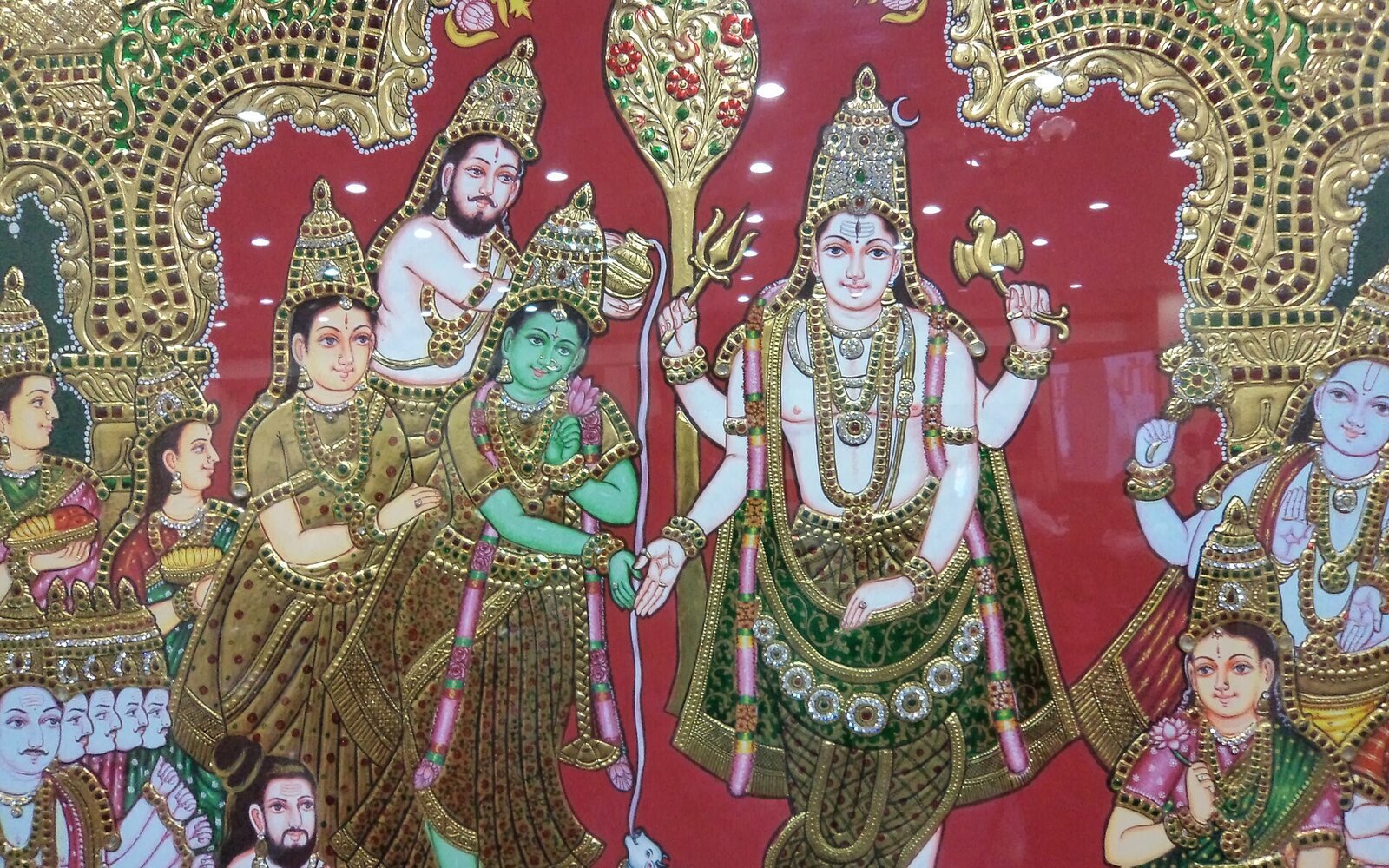
When a marriage proposal comes, one of the first things many Tamil families do is check porutham — the traditional compatibility between the horoscopes of the bride and groom.
The traditional factors
The most widely used system compares the two birth stars across ten factors, commonly listed as dinam, ganam, mahendram, stree deergham, yoni, rasi, rasi adhipathi, vasiyam, rajju and vedhai. Each looks at a different aspect — temperament, longevity, mutual attraction, prosperity, and so on.
Why the count is not everything
It is tempting to reduce porutham to a number such as "7 out of 10". In practice, some factors — rajju and vedhai in particular — are traditionally given more weight than others, and a match with fewer factors can still be considered suitable while one with more can raise concerns.
Looking beyond the stars
Star matching is only part of the picture. A careful porutham check also looks at each full horoscope: the strength of the seventh house, dosham considerations such as sevvai dosham, and the dasa periods both people will be running after marriage.
Using the result well
- Ask for the reasons, not just a yes or no.
- Treat porutham as one input among others — family values, education, health and, above all, the couple's own understanding.
- If a concern is raised, ask what tradition recommends and whether it is serious or minor.
The decision always belongs to the families. A porutham consultation exists to help them make it with clear information.